
As the South Dakota Legislature approaches their 101st session this week, the Lennox City Council has identified three priorities in the upcoming session. These priorities – while not the only items with which the community is concerned – represent those areas that are of highest importance to the community, its future, and its operational stability.
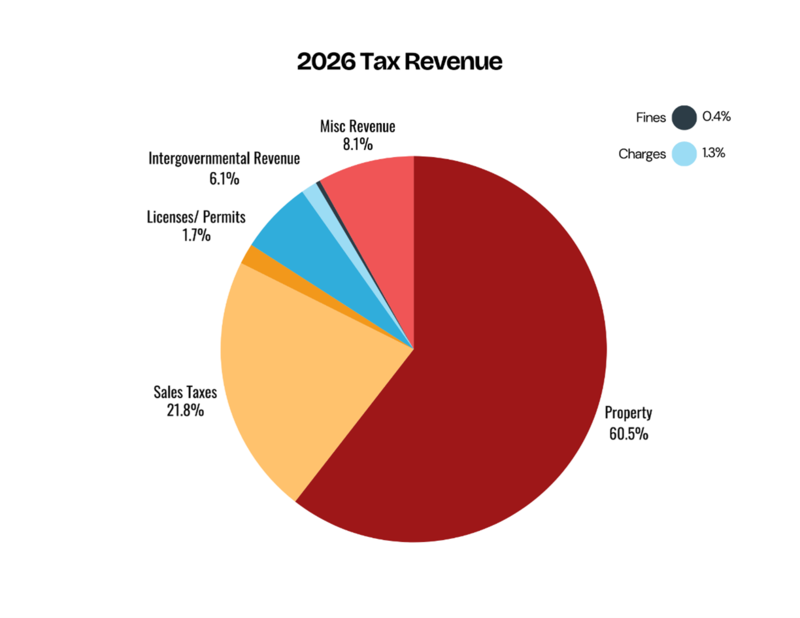
Property Tax Reform – Similar to last year’s legislative session, multiple proposals to reform the state’s property tax system are expected. While a legislative summer study identified 19 ideas for further consideration, it is not yet clear which proposals will advance through the legislative process. The City of Lennox understands the desire for meaningful property tax relief and supports reasonable efforts to achieve it in a way that does not jeopardize the essential services funded by property tax revenue.
In Lennox, property tax revenues make up more than 60 percent of the general fund. This fund provides the resources necessary for full-time police protection, volunteer fire services, and quality-of-life amenities such as clean and safe parks, Senior Services, and the Lennox Community Library. Any changes to property tax collection and revenue must protect the community’s ability to determine what services are worth their investment and ensure the continuation of services residents expect and rely upon 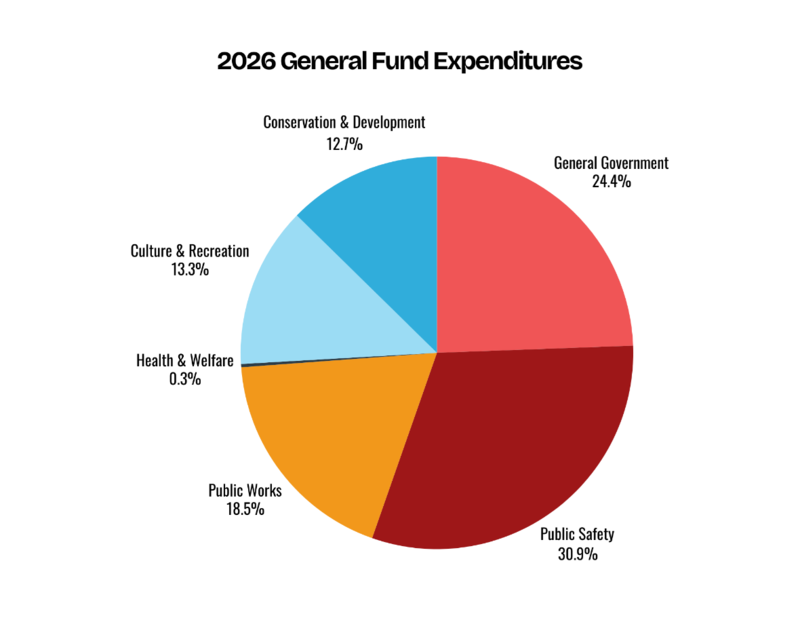
2) Tax Increment Financing – This important financing tool, used by communities to meet future needs, deserves careful consideration by legislators. Tax Increment Financing is a method of funding public improvements by using the future value of land and structures to pay for the infrastructure necessary to support development. It is one of the few tools available to communities seeking to fund expanded infrastructure without placing an immediate burden on a community’s taxpayers.
TIF districts have been vital to Lennox’s growth. In 2019, the City created a TIF district with Lincoln County to enable the development of a new housing subdivision. Under that agreement, the developer installed water, sewer, storm sewer, and streets at their own expense. In return, the City agreed to repay the cost of that infrastructure using the revenue generated within the TIF district. Without this arrangement, the only alternative would have been to issue public debt and place that burden on all property taxpayers—an inequitable solution.
The Lennox Countryside TIF District has directly resulted in the construction of 138 new housing units in a community that previously struggled to provide workforce and step-up housing. This growth has also supported significant commercial expansion, including the near doubling of production space at Wilson Trailer, expansions at Lennox Dental Center and Ace Hardware, the opening of El Mariachi Mexican Restaurant, Lennox Lumber Company, Saddle Up Espresso, Security Bank, and several new Main Street businesses. Without this investment of public and private dollars, these South Dakota-grown businesses would not have had the customer base necessary to thrive in Lennox.
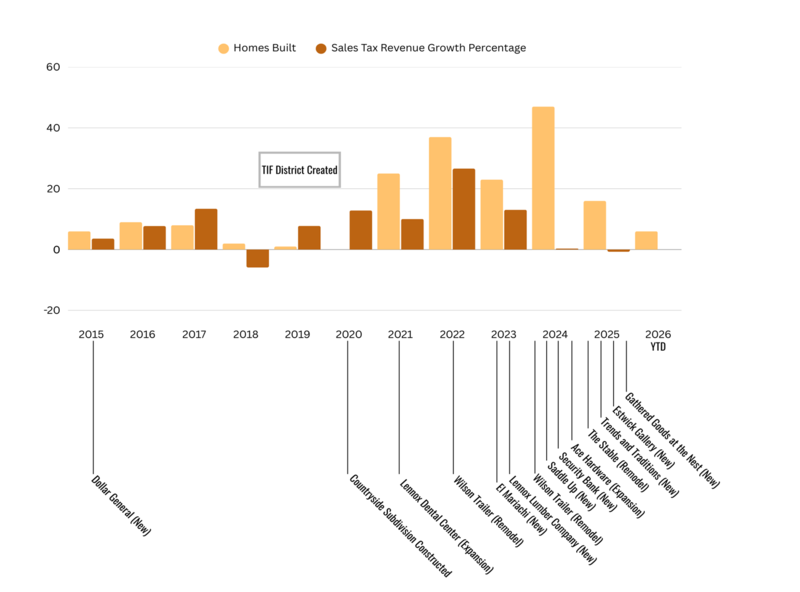
TIF districts exist because they are effective tools to help communities grow. They are not a tax giveaway to wealthy developers, but rather an important benefit to the communities in which they are located. The City of Lennox is supportive of common-sense discussions on how to best utilize TIF districts to benefit communities, while providing transparency and accountability for taxpayers.
3) Local Control – In recent years, communities across South Dakota have observed a growing trend of decision-making shifting to Pierre, reducing local authority. From election dates to library materials to municipal campgrounds, decisions once made locally are increasingly being determined at the state level by officials who may have limited familiarity with the unique needs of individual communities.
Each year, voters in townships, cities, and counties elect local officials to represent their interests and make decisions on their behalf. These officials are closest to the people they serve and best positioned to understand their communities’ needs. The Lennox City Council joins local governments across the state in reaffirming that decisions affecting residents are best made locally and respectfully asks the Legislature to protect the ability of communities to govern their own affairs.
We look forward to working with Senator Jensen, Representative Lems, and Representative Shubeck throughout the legislative session as we continue moving forward together.