
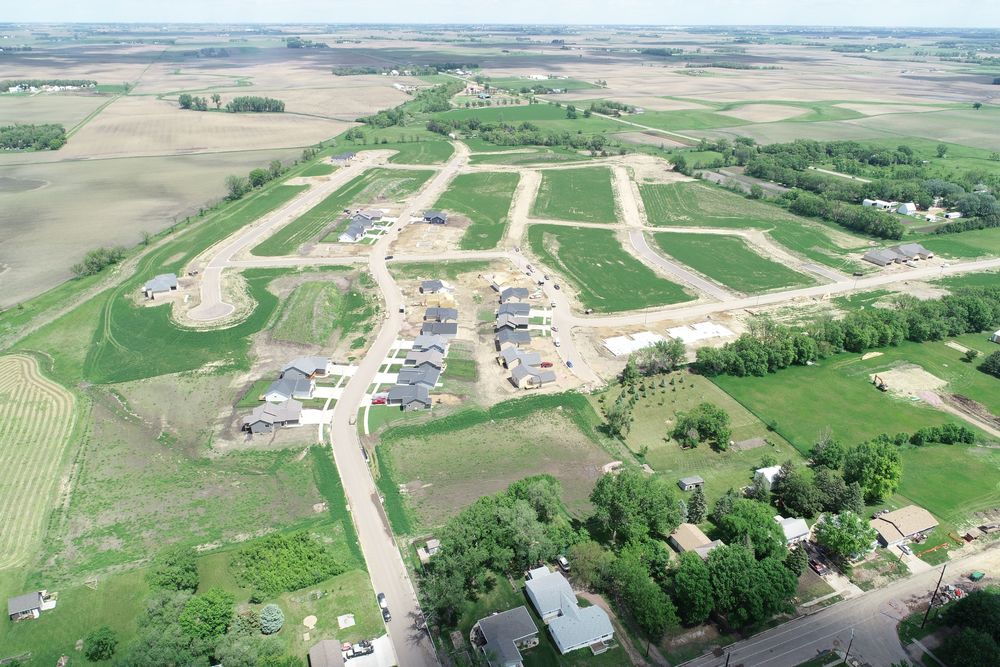
Over the course of the last several weeks, the City of Lennox has joined with other municipalities across South Dakota to protect one of the few meaningful tools available to support infrastructure expansion tied to real, market-driven growth: Tax Increment Financing (TIF) districts. For smaller communities especially, TIF is not a luxury. It is often the only viable mechanism to extend water, sewer, streets, and public safety infrastructure to areas where growth is already knocking at the door.
This legislative session began with uncertainty. Several separate proposals were introduced that would have significantly restricted, restructured, or in some cases effectively eliminated the practical use of TIF districts. Understandably, some legislators sought stronger guardrails and greater transparency. Local leaders heard those concerns.
The South Dakota Municipal League stepped forward to facilitate conversations between municipal officials and lawmakers. The goal was not to “win” a political fight. It was to find common ground—protecting taxpayers while preserving a critical development tool. That effort has resulted in a workable compromise: Senate Bill 228, as amended.
SB 228 provides additional opportunities for public input, enhanced oversight, and clearer guardrails around the creation and management of TIF districts. At the same time, it preserves the fundamental ability of communities to use TIF where it is appropriate and justified. In other words, it strengthens transparency without stripping local governments of flexibility.
That balance matters.
In a community like Lennox, growth does not happen by accident. When housing developers look at a new subdivision or a business considers a new facility, infrastructure is the first question. Are water and sewer lines available? Are streets built to handle traffic? Is drainage adequate? These improvements are expensive, and in developing areas they often must be installed before the full tax base exists to support them.
TIF bridges that gap. It allows the future tax value created by new development to help pay for the infrastructure that made that development possible. Existing taxpayers are protected because the financing is tied to new growth, not to current property valuations.
Critics of TIF have raised legitimate questions about accountability and long-term impacts. SB 228 answers many of those concerns. By increasing reporting requirements, clarifying eligibility standards, and ensuring more deliberate public processes, the amended bill enhances confidence in how TIF districts are used.
What SB 228 does not do—and this is critical—is impose a one-size-fits-all prohibition that would disproportionately harm small and mid-sized communities competing for residents and jobs. South Dakota’s growth is not confined to its largest cities. Towns across the state are working to provide housing, attract employers, and strengthen their tax base. Removing TIF from the toolbox would stall many of those efforts.
The amended SB 228 represents what good governance should look like: collaboration instead of confrontation. Municipal leaders acknowledged the need for safeguards. Legislators acknowledged the importance of local control and economic practicality. The result is legislation that reflects shared responsibility.
South Dakota works best when state and local governments operate as partners. SB 228, as amended, maintains that partnership. It protects taxpayers through stronger oversight while preserving the ability of communities to invest in infrastructure that supports responsible, market-driven growth.
For Lennox and communities like it, that compromise is not just acceptable—it is essential.